
Reconciliation should be more than an invitation. It should be an intentional commitment to meaningful inclusion, visibility, and economic investment.
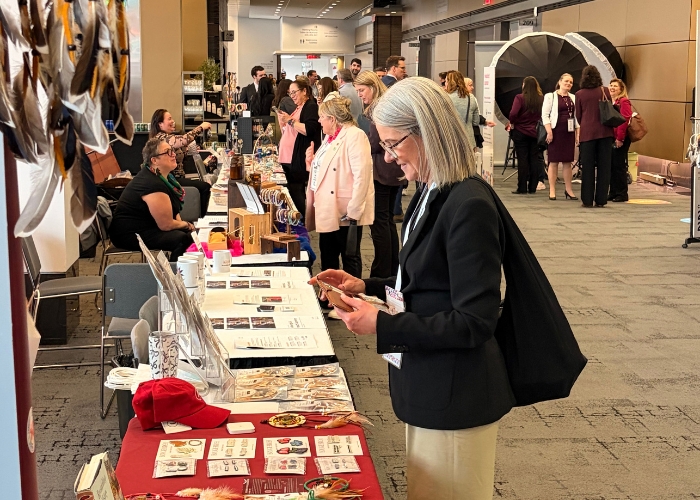
As an Indigenous entrepreneur, vendor, and co-founder of Indigenous Markets, I’ve experienced and witnessed firsthand how organizations approach reconciliation, both from behind the vendor table and through conversations with corporations and event organizers.
While many organizations have good intentions, I’ve also seen how often reconciliation efforts stop at the bare minimum.
A land acknowledgement. An Indigenous performer opening an event. A few complimentary vendor spaces. A checkbox marked “Indigenous participation.”
These gestures may be a starting point, but inclusion alone is not reconciliation.
Giving Space Is Not Enough
We often celebrate organizations for providing Indigenous entrepreneurs with free space at events. While appreciated, allowing Indigenous peoples to occupy space on our own traditional territories should be the bare minimum, not the achievement.
Imagine a large festival or corporate event that invites several Indigenous entrepreneurs to participate free of charge. However, their booths are tucked away in a low-traffic corner, with little signage, no prominent placement on event maps, and minimal promotion.
Technically, Indigenous businesses have been included. But have they been given a meaningful opportunity to succeed?
Now imagine those same entrepreneurs positioned in one of the busiest areas, with prominent signage, announcements, marketing support, and thousands of attendees being intentionally encouraged to visit.
That is the difference between making space for Indigenous people and actively creating opportunities for them to succeed.
We shouldn’t have to be grateful simply because we’ve been invited. We should be valued enough to be seen.
Reconciliation Should Be Uncomfortable
One of the most overlooked aspects of reconciliation is economic reconciliation.
For generations, Indigenous peoples have faced economic exclusion, undervaluation, and expectations to share cultural knowledge, labour, and expertise for little or no compensation.
Meaningful reconciliation requires organizations to consciously invest in changing that reality.
That means paying Elders, performers, speakers, and Knowledge Keepers fairly for their contributions. It means hiring Indigenous contractors, consultants, and businesses, even when their services cost more than other available options.
Reconciliation should sometimes feel uncomfortable, both emotionally and financially.
It may require organizations to reconsider budgets, challenge established practices, redistribute resources, and prioritize Indigenous businesses even when doing so costs more than originally planned.
When an organization chooses to make that investment anyway, it demonstrates that reconciliation is a priority rather than an optional expense.
And when budgets are limited, the answer shouldn’t automatically be asking Indigenous professionals to lower their rates. It should be reconsidering where money is allocated and what the organization is willing to prioritize.
From Symbolic Inclusion to Meaningful Investment
Through Indigenous Markets, our mission is to create opportunities that extend beyond a single event.
A complimentary vendor space may benefit one entrepreneur for a day. Investing in Indigenous-led programming can support dozens of entrepreneurs through future markets, mentorship, community partnerships, and cultural preservation.
The financial investment doesn’t simply pay for an event. It creates a cycle of economic opportunity.
Reconciliation isn’t about giving Indigenous people space to take up space. It’s about recognizing our value and intentionally investing in our success.
The question organizations should be asking isn’t, “Did we include Indigenous people?”
It should be, “What did we actually do to create meaningful, lasting opportunities for Indigenous people?”
Because reconciliation isn’t a checkbox.
It’s a commitment reflected in your decisions, your actions, and ultimately, where you choose to invest your resources.
About the Author
Marissa Dubé is an Algonquin and Mohawk multipreneur, Indigenous advocate, and co-founder of Indigenous Markets. With over a decade of entrepreneurial experience, she is passionate about advancing Indigenous economic reconciliation, creating meaningful opportunities for Indigenous businesses, and challenging organizations to move beyond symbolic inclusion toward lasting, measurable impact.