

Indigenous-led training groups in Canada are quietly reshaping the skills landscape for First Nations, Inuit, and Métis communities. These organizations, funded by the government’s Indigenous Skills and Employment Training (ISET) Program, provide everything from basic reading and numeracy to advanced trades, management, and entrepreneurial training. As a result, Indigenous workers are more prepared to pursue meaningful occupations, create enterprises, and promote economic self-determination in their communities.
Flexible Funding Enables Community-Designed Programs
The ISET Program offers flexible support to over 119 Indigenous service delivery groups nationwide, allowing them to customize training tailored to local objectives and labour market demands. ISET allows towns to tailor programming to their specific circumstances, such as resource development in northern British Columbia, hospitality in central Ontario, or digital entrepreneurship in metropolitan centers. Flexibility is key to closing the skills and employment gap between Indigenous and non-Indigenous individuals in Canada.
Local Training Centres Driving Sector-Specific Skills
Localized training can support sector-specific growth, as demonstrated by organizations like CCATEC, PGNAETA, and Anishinabek Employment and Training Services in British Columbia and Ontario, respectively. These centers include Indigenous-based programs, including trades, apprenticeships, management, entrepreneurship, and community-based employment services, conducted by Indigenous professionals. Clients can focus on training without abandoning family or community connections by combining technical learning, cultural safety, mentorship, and wrap-around assistance.
Wrap-Around Supports Remove Barriers to Learning
The variety of assistance available in these Indigenous training ecosystems distinguishes them. ISET-funded organizations offer extensive “wrap-around” services, including childcare aid, transportation support, counselling, and direct access to companies with open opportunities. These services are not incidental; they acknowledge the structural challenges that Indigenous learners and workers frequently encounter, such as distance from training centres, caregiving duties, systemic racism, and the long-term effects of colonialism. By addressing these challenges, Indigenous training organizations help participants stay in programs, complete certificates, and transition into sustainable employment.
Entrepreneurship and Business Skills at the Core
Beyond job preparation, Indigenous training ecosystems are increasingly emphasizing entrepreneurship and business skills. A significant example is the Northern Entrepreneurs Accessing Training (NEAT) project, delivered by Contact North and funded by the Government of Canada’s Future Skills initiative. NEAT provided online skills training to over 500 Indigenous entrepreneurs and employees from rural and remote areas in northern Ontario and northwest British Columbia. The project provided training in digital marketing, e-commerce, finance, and other business-critical areas, enabling owners and staff to learn without leaving their communities.

NEAT Shows the Power of Remote Upskilling
NEAT projects have a transformative impact on small Indigenous enterprises. Many entrepreneurs work in areas where access to specialist training is restricted by geography, expense, or a scarcity of local providers. The NEAT model, which covers training expenses such as tuition and provides allowances when training takes place during working hours, reduces the financial risk of upskilling. Entrepreneurs can send employees to an online course on search engine optimization or bookkeeping, knowing that their investment is protected. Over time, targeted skill development strengthens Indigenous businesses, increases their digital presence, and opens up new markets beyond their immediate region.
Cultural Relevance Strengthens Skills and Well-Being
When labour market data is combined with cultural relevance, Indigenous-led training has a greater impact. ISET service delivery organizations and programs, such as NEAT, operate from an Indigenous perspective, incorporating respect for community, land, and culture into program design. In reality, this may entail timing training around fishing seasons or community rites, enlisting Elders as consultants, or incorporating Indigenous languages and teachings into classroom content. This method boosts program completion rates while also strengthening identity and well-being, which are crucial for long-term success in work and business.
Partnering with Employers for Long-Term Impact
Indigenous training ecosystems also involve employers directly. ISET-funded organizations often provide pay subsidies, job placement services, and specialized training collaborations with local employers. Employers gain access to engaged, community-connected workers, while participants acquire work experience and training. In certain circumstances, Indigenous service delivery organizations cooperate with non-Indigenous enterprises to co-design training that enhances cultural competency and workplace inclusion, allowing employers to better partner with Indigenous staff and contractors.
Indigenous Skills Ecosystems as Models for Inclusive Growth
Together, these Indigenous skills and training ecosystems provide a remarkable model for inclusive economic development in Canada. Indigenous groups are developing sector-specific skill sets by combining long-term funding from programs like ISET with community-driven design, wraparound assistance, and creative projects like NEAT. More Indigenous entrepreneurs and workers will benefit from training in trades, management, digital literacy, and finance, resulting in stronger enterprises, higher employment rates, and healthier communities. For policymakers and industry partners, the message is clear: when Indigenous communities drive their own skill development, everyone benefits.
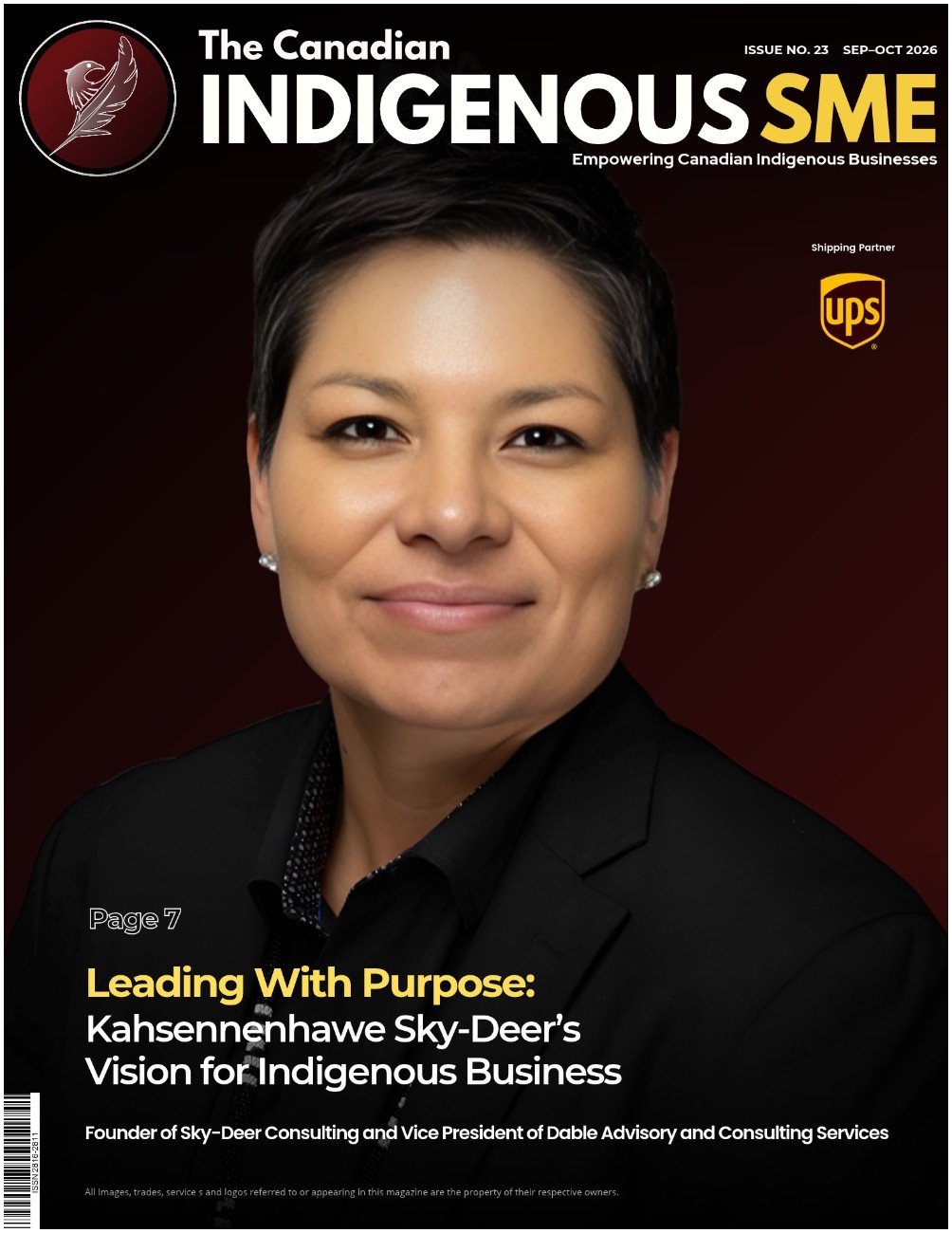
The Indigenous-SME Business Magazine is a great new and seasoned resource for Canada’s small Indigenous businesses. Visit the website below to view our magazine. Click here to follow our X account for news updates. So, what are you waiting for? Join our business-loving community for inspiration, motivation, and growth.
Disclaimer: This article is based on publicly available information intended only for informational purposes. Indigenous-SME Business Magazine does not endorse or guarantee any products or services mentioned. Readers are advised to conduct their research and due diligence before making business decisions.